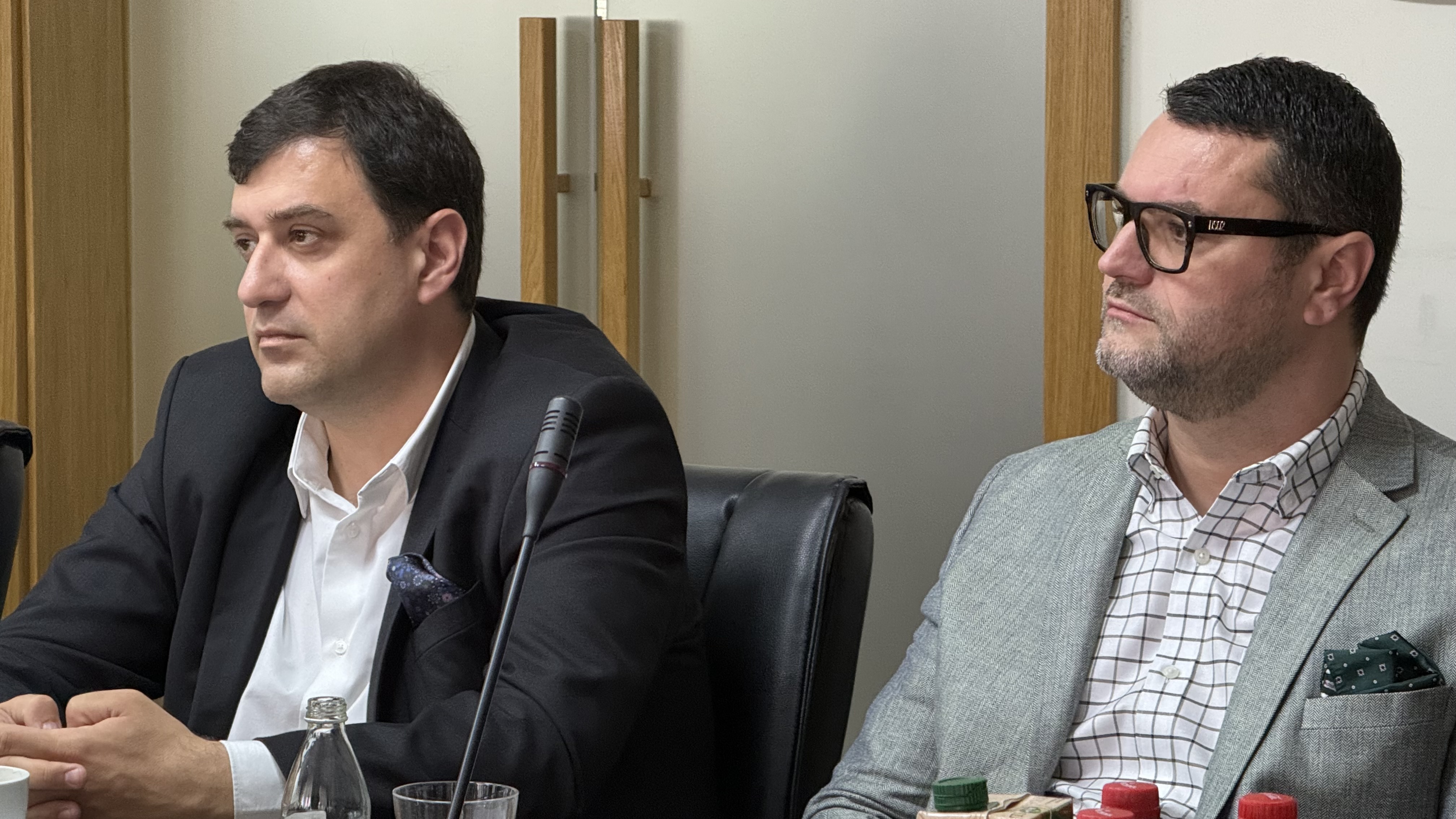

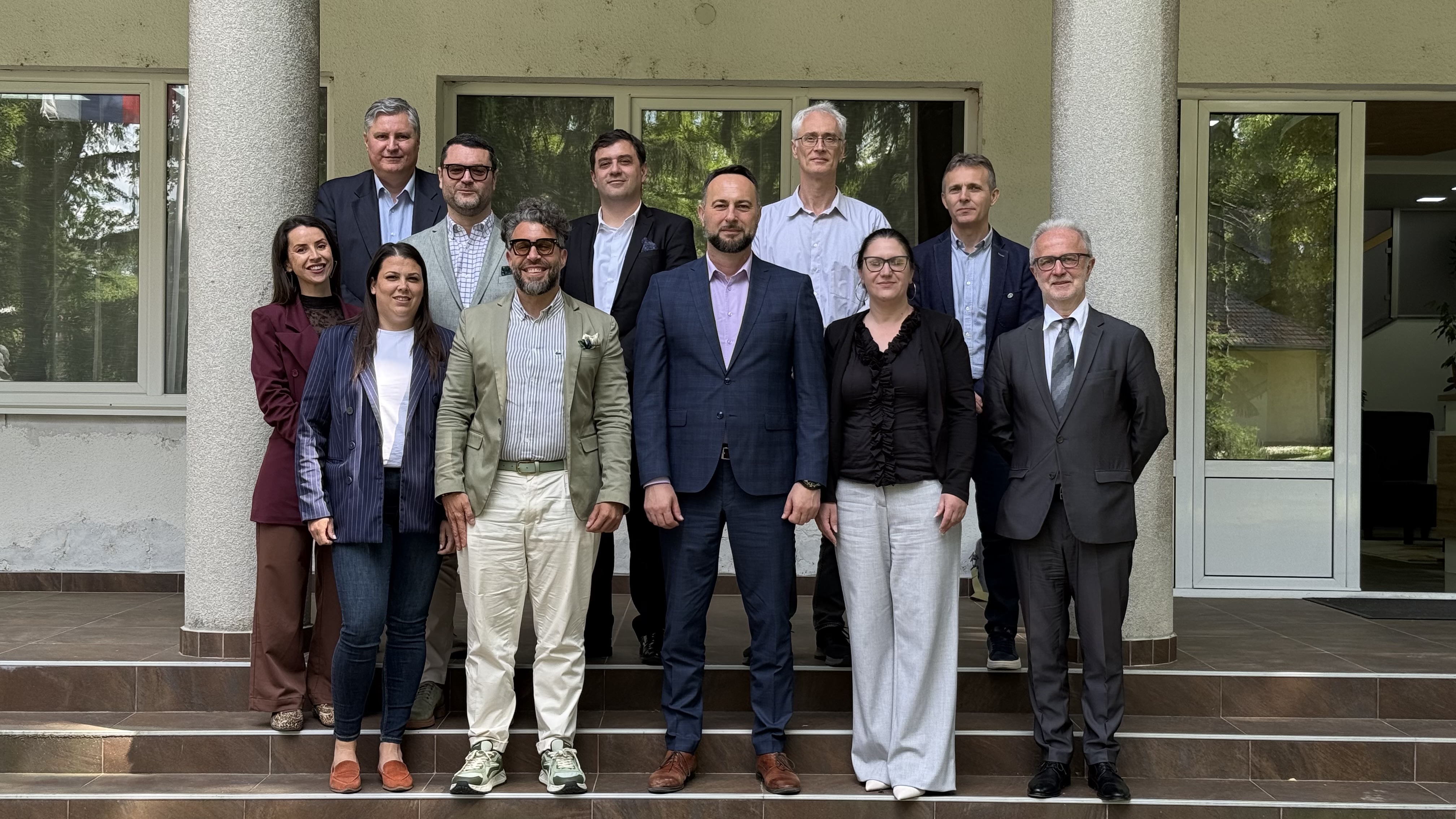
A delegation of the Faculty of Technical Sciences of the University of Novi Sad, led by Dean Prof. Dr. Boris Dumnić, visited the Vinča Institute of Nuclear Sciences with the aim of enhancing cooperation between the two institutions and exploring new opportunities for joint activities in the fields of science, research, and the development of professional capacities.
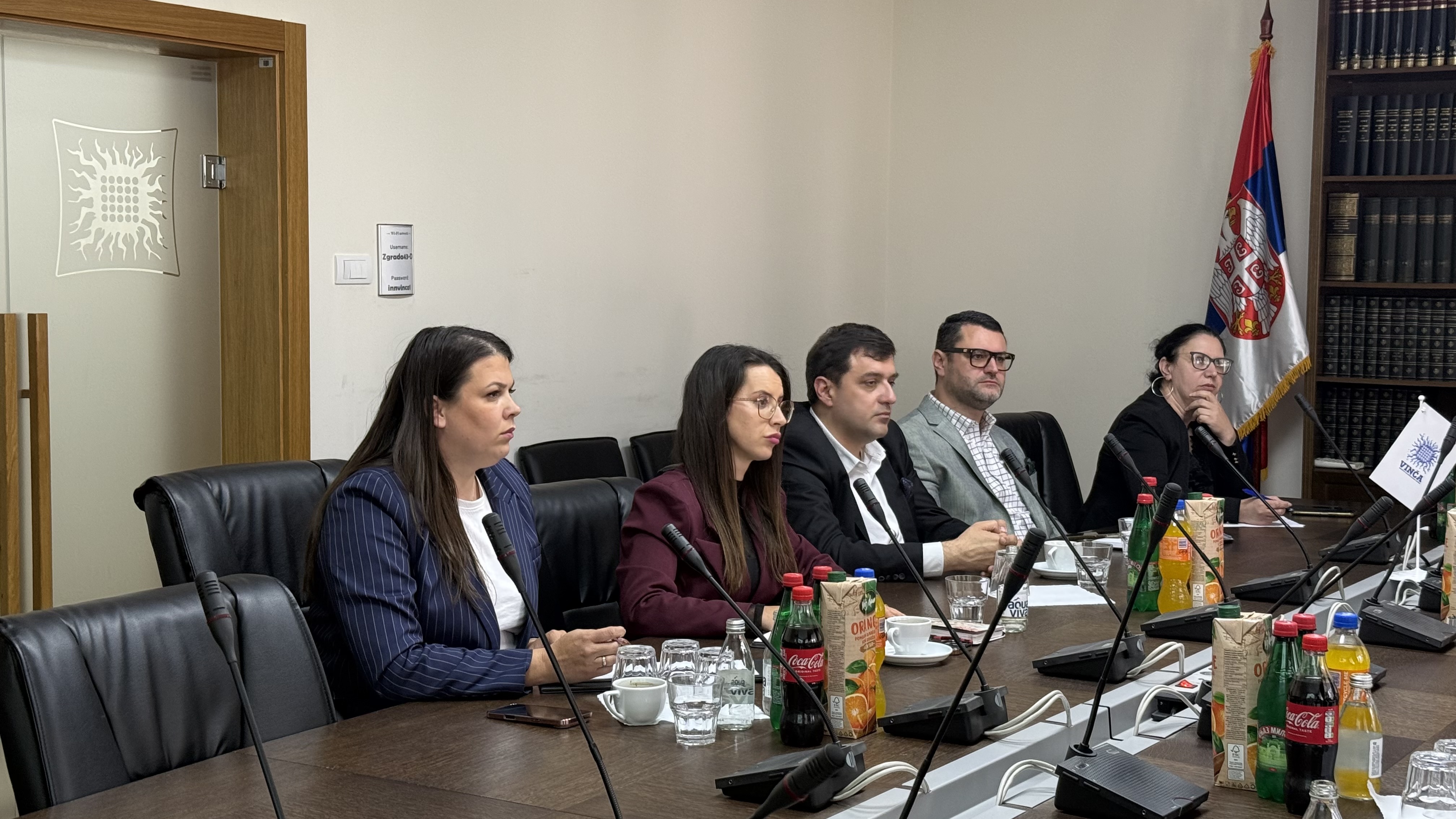
During the meeting, representatives of the two institutions discussed the potential for intensifying cooperation through joint research projects, bringing together scientific and educational capacities, as well as activities that would provide students and researchers with new opportunities for professional development and practical training.
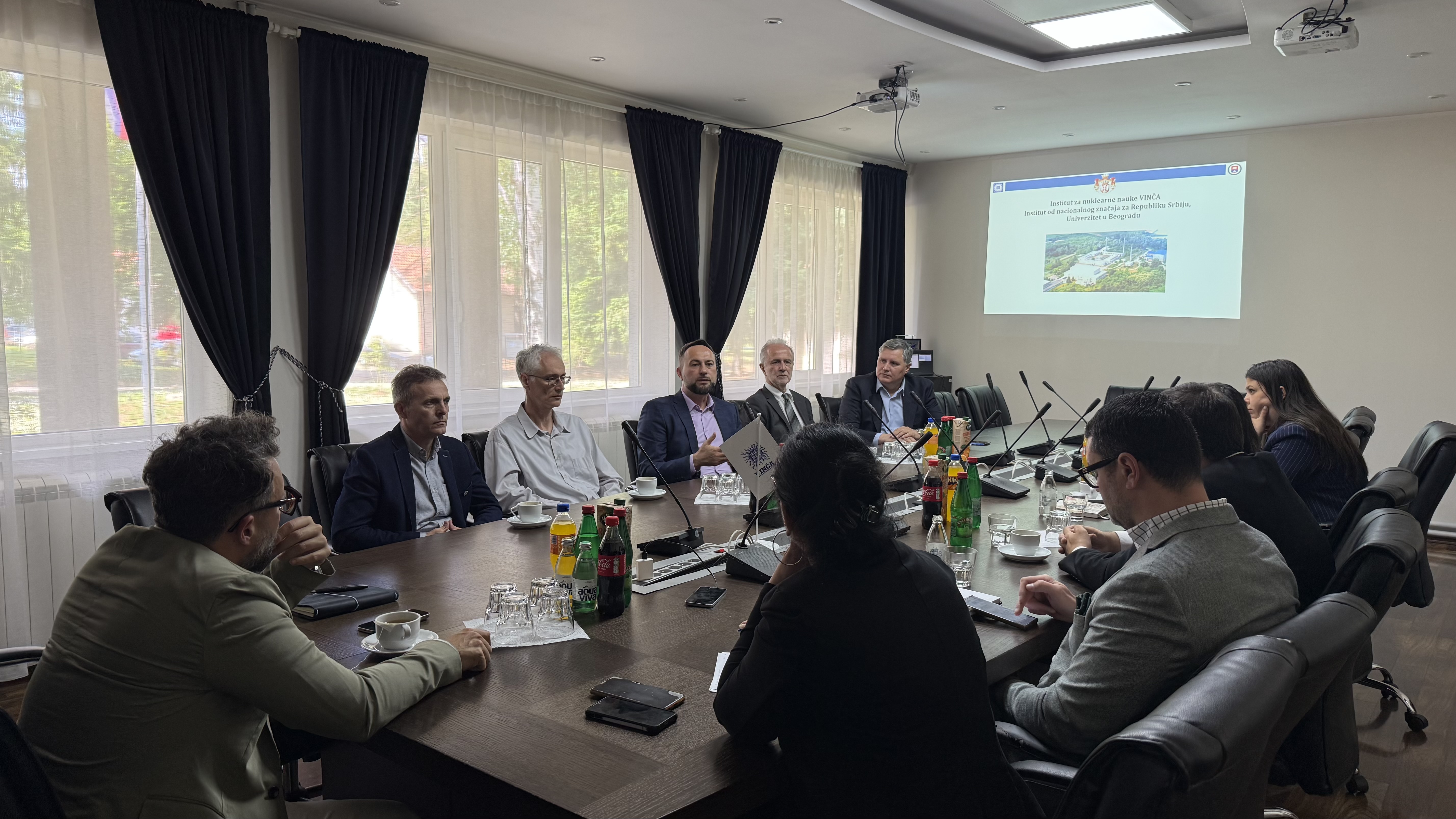
The Dean of the Faculty of Technical Sciences, Prof. Dr. Boris Dumnić, emphasized the importance of cooperation with the Vinča Institute and the role this institution plays in the development of science and technology in Serbia.
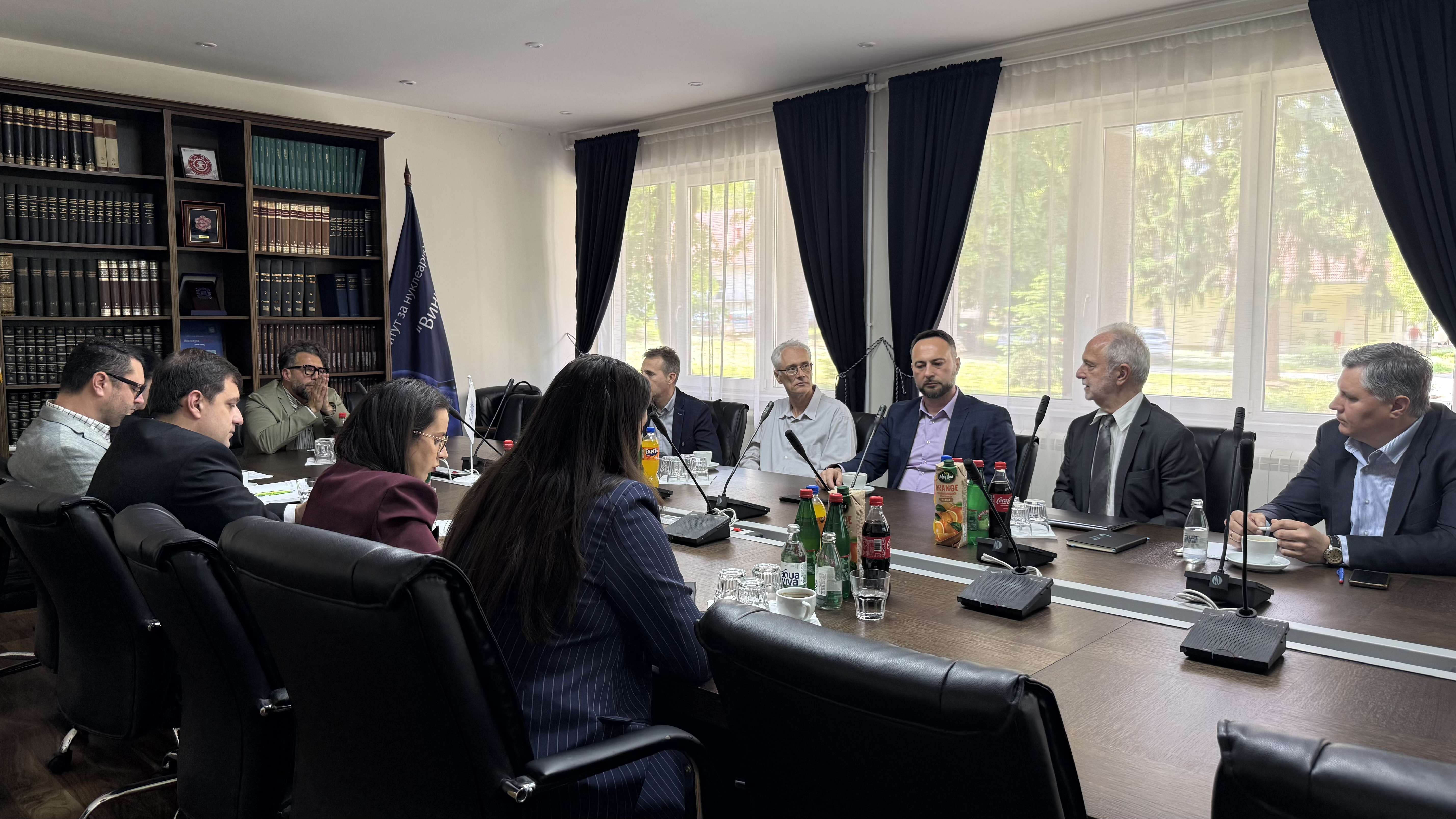
“The Faculty of Technical Sciences and the Vinča Institute are strategic and natural partners. We believe that connecting our knowledge, experience, and capacities can contribute to creating new opportunities for the development of science, technology, and education, while also providing additional encouragement for young people to build their professional careers in a research and innovation-oriented environment,” said Dumnić.
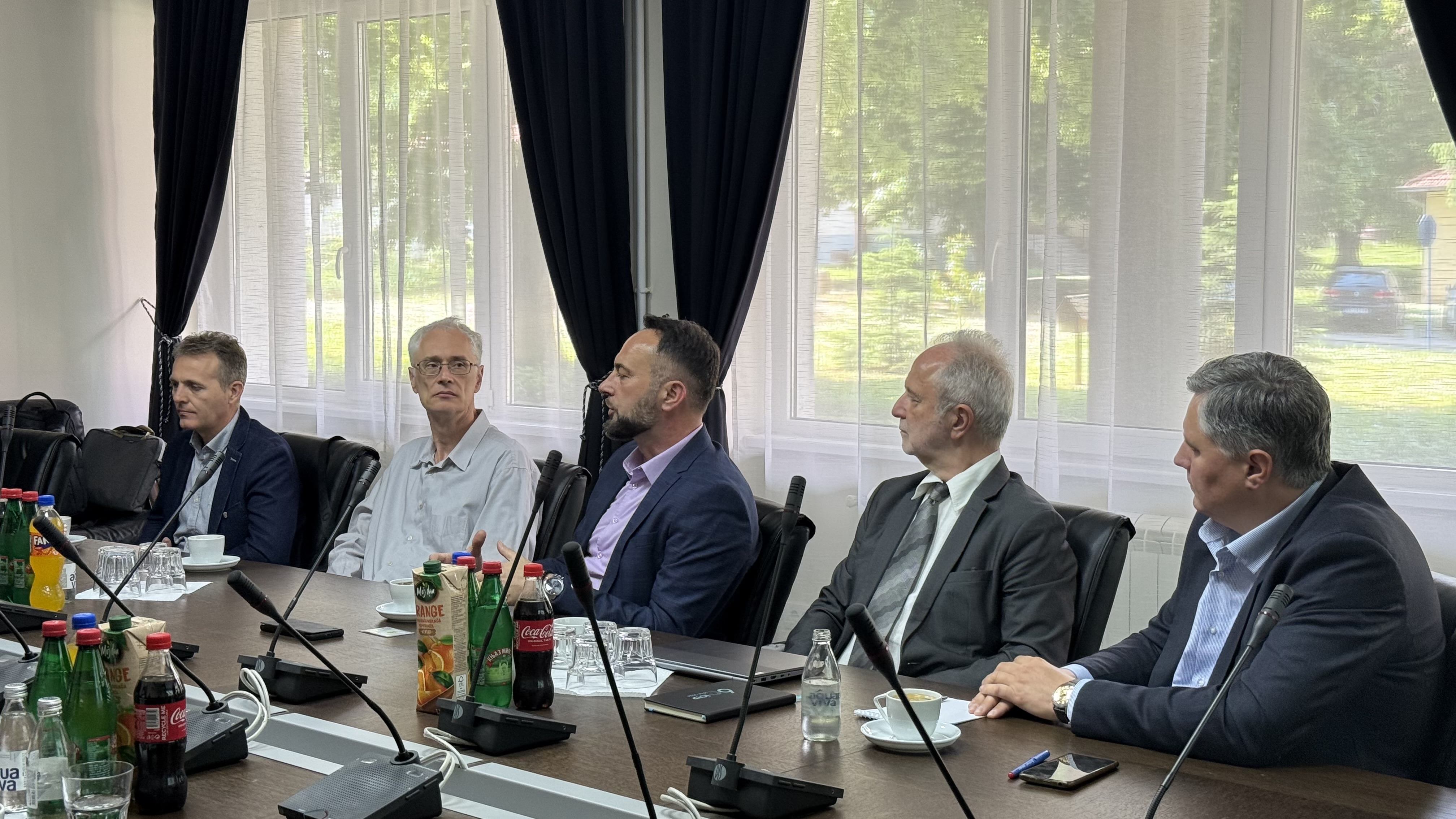
The Director of the Institute, Dr. Slavko Dimović, stressed that cooperation with leading educational institutions represents an important aspect of the Institute’s development.
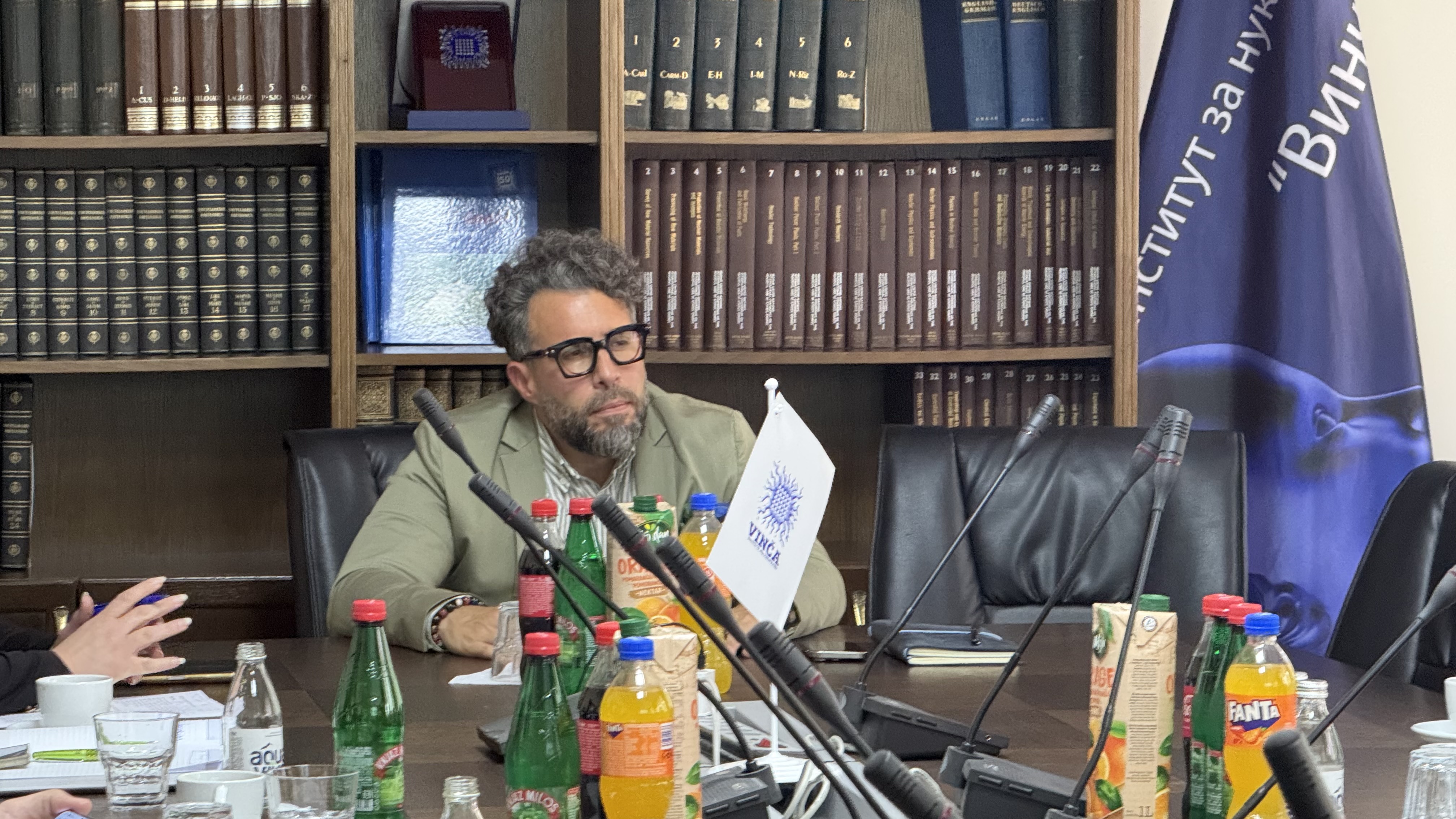
“Knowledge gains its full value when it is shared, connected, and passed on to new generations. Cooperation between the Vinča Institute and the Faculty of Technical Sciences represents an opportunity to combine research excellence with educational capacities, so that we can create new ideas, develop experts, and strengthen Serbia’s scientific landscape,” said Dr. Dimović.
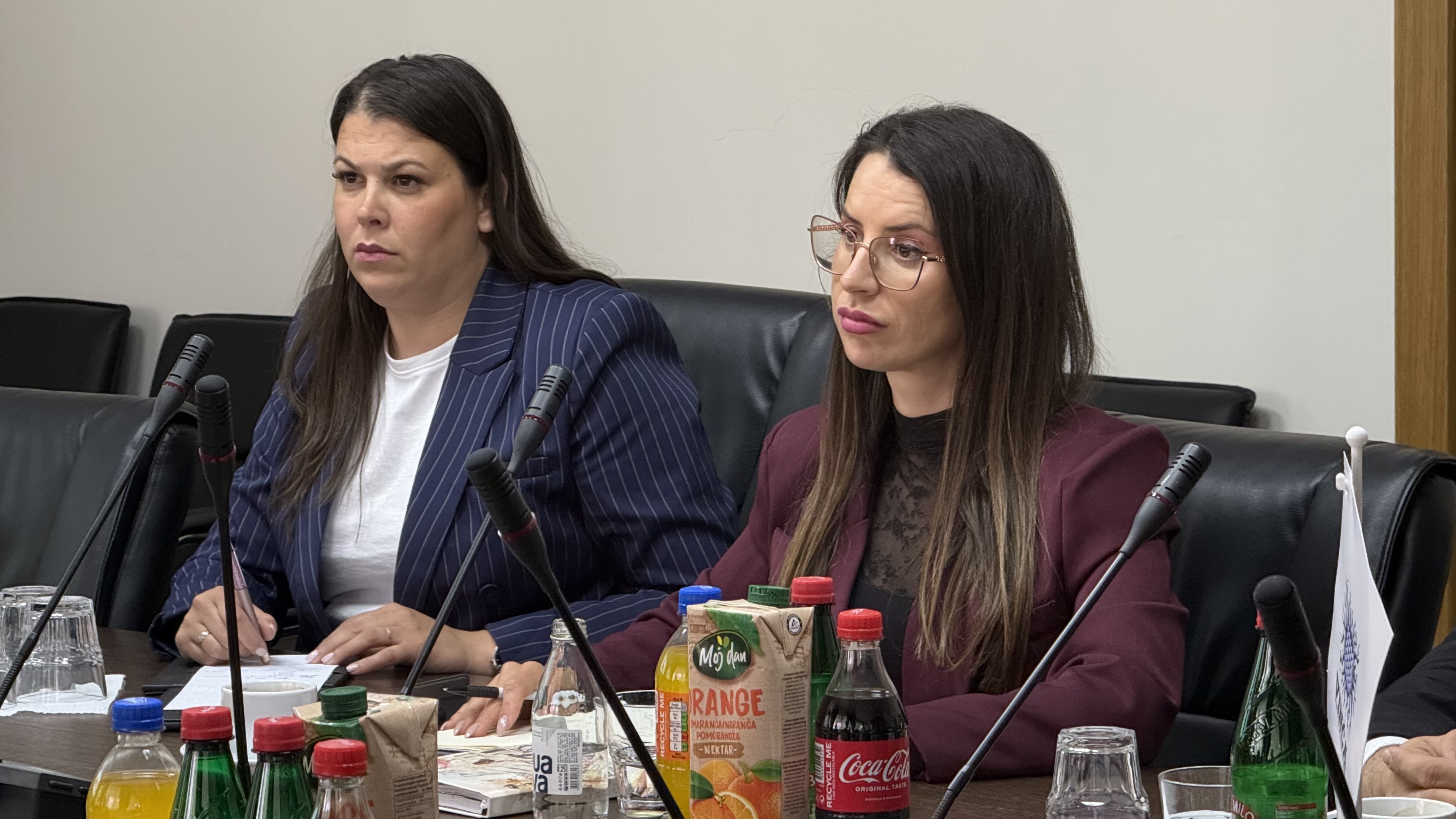
The Faculty of Technical Sciences of the University of Novi Sad is one of the largest and most significant higher education and scientific institutions in the region, with around 90 accredited study programmes and more than 17,000 students. These capacities represent considerable scientific and educational strength, as well as an important resource for the development of future researchers, engineers, and experts in various fields.
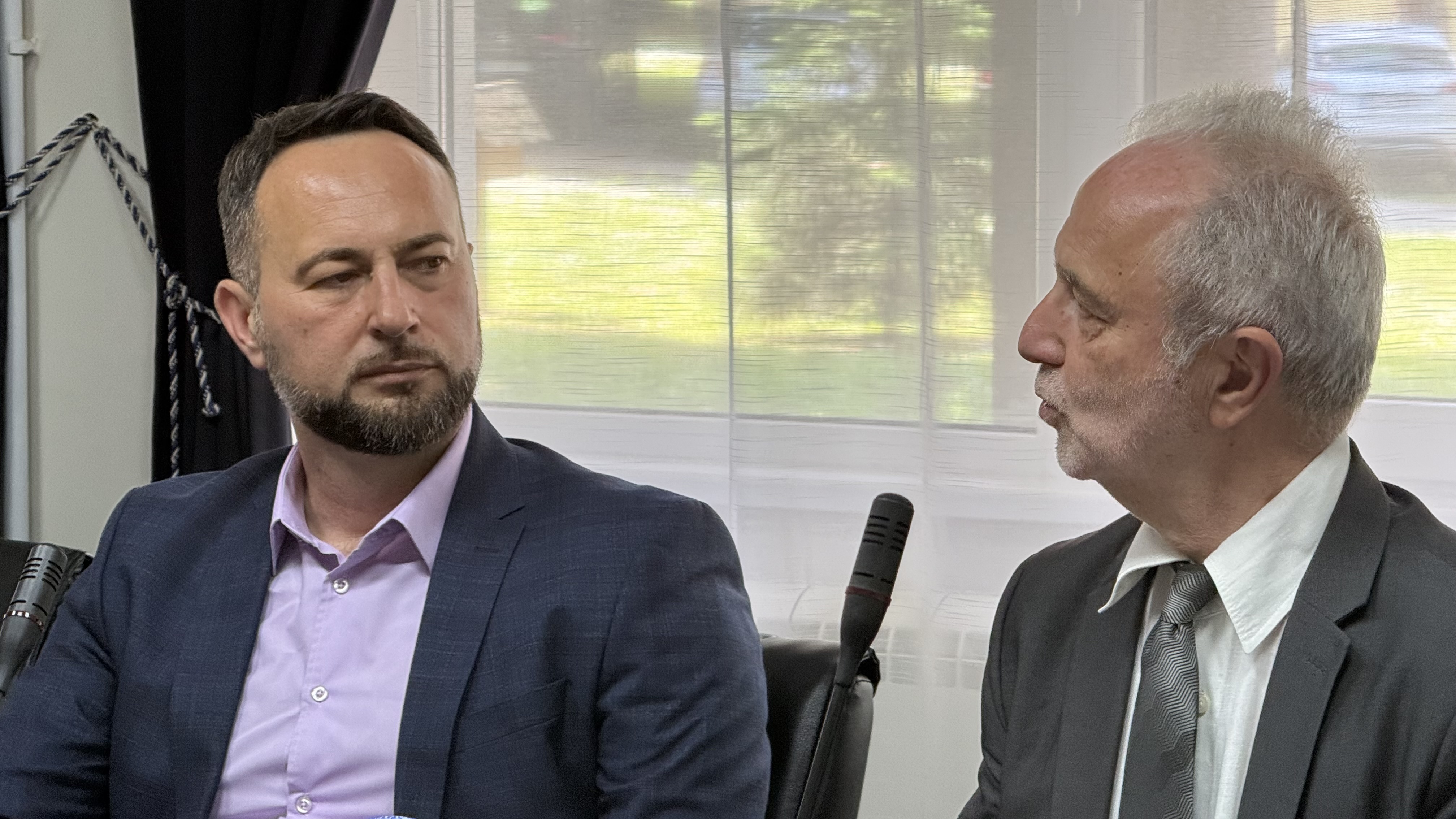
The visit once again confirmed the shared commitment of both institutions to strengthening inter-institutional cooperation, connecting Serbia’s scientific research and educational systems, and creating new opportunities for development.