


Three-quarters of anticancer agents used in medicine are derived from natural sources, but their extraction from biomass requires large amounts of volatile and toxic organic solvents, posing risks to human health and the environment. Moreover, bioactive compounds often show low bioavailability, poor water solubility, and limited stability. This project aims to replace traditional toxic solvents with environmentally friendly alternatives and improve the bioavailability of bioactive compounds by encapsulating them into biodegradable micelles. It develops a sustainable liquid–solid membrane extraction process using micro-engineered metal membranes, representing a novel approach to isolating bioactive compounds from biomass. Two extraction strategies will be investigated: a one-step extraction of ellagic acid from raspberry pomace using bio-based ionic liquids and natural deep eutectic solvents, and the extraction of parthenolide from feverfew using biopolymers, followed by the formation of aqueous biphasic systems to enrich parthenolide-loaded micelles. Micelle stability will be further improved through microencapsulation using spray drying and freeze drying. The project will support the valorization of industrial waste and medicinal herbs, reduce waste, and contribute to the development of a cost-effective and sustainable technology for the isolation and preservation of bioactive compounds.
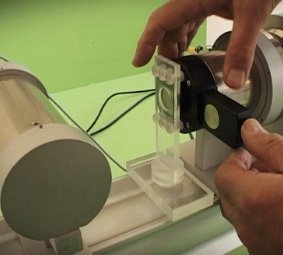
Equipment used on the project