
For more than three decades, the Kopaonik Business Forum has stood as one of the most prominent meeting points for the economic, academic, political, and business communities in Serbia and the wider region.
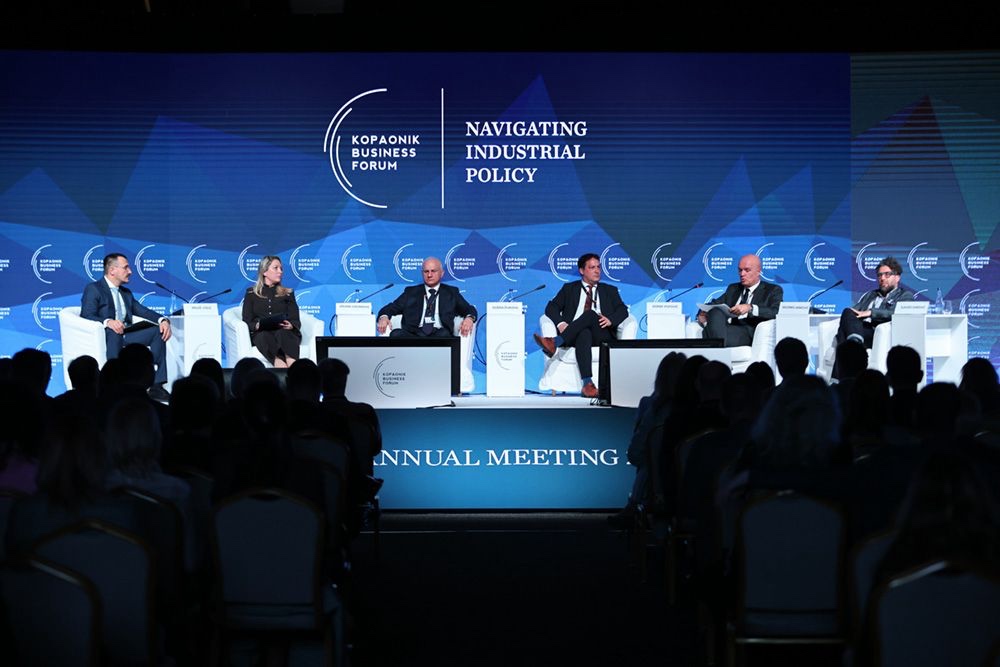
This year’s 33rd Forum, held from March 1 to 4 at Kopaonik, once again gathered a distinguished audience of participants from Serbia and abroad, featuring dozens of panel discussions, plenary sessions, and special events dedicated to some of the most pressing issues of development, sustainability, and competitiveness.
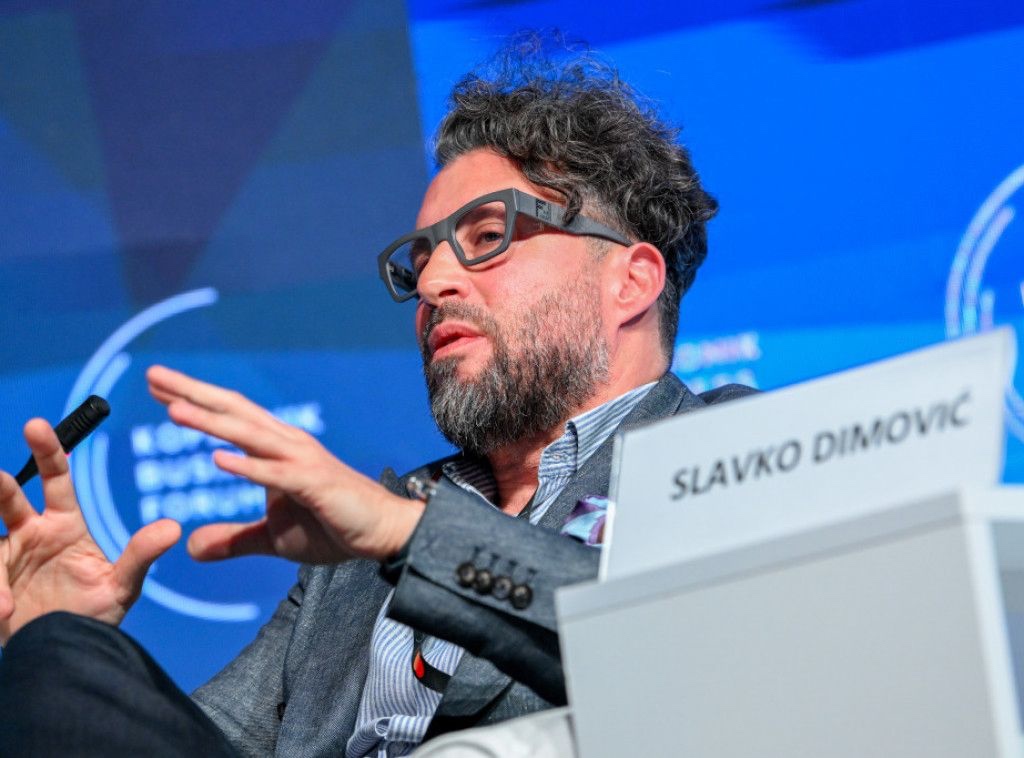
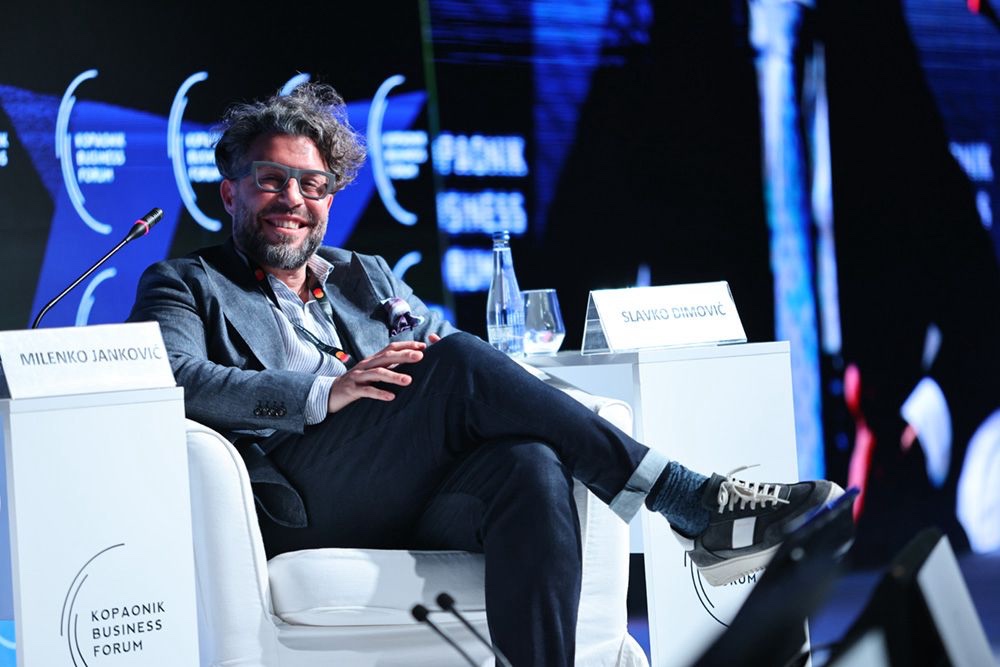
In such a setting, where the perspectives of industry, public policy, investment, and science converge, particular attention was drawn to the panel Energy 4.0: Transforming Systems for a Sustainable Economy, which featured Dr. Slavko Dimović, Director of the Vinča Institute of Nuclear Sciences. The panel provided an important platform for a serious and well-argued discussion on how Serbia can build an energy system that is at once reliable, development-oriented, and technologically aligned with the long-term needs of society.
Dr. Dimović’s contribution was especially noteworthy, both for the substance of his remarks and for the clarity of the message conveyed. He emphasized that the development of nuclear energy in Serbia cannot be considered in isolation from the broader issues of energy security, technological maturity, human resource capacity, and public acceptance. In particular, he stressed that any serious discussion on the future of the electricity sector must include cleaner forms of power generation, as well as long-term strategic planning that extends beyond immediate market and political cycles. As he noted during the Forum, the future development of nuclear energy in Serbia will depend primarily on social acceptance, while, should the country decide to pursue this path, the first nuclear power plant could be expected by 2040.
The participation of Dr. Slavko Dimović in the Kopaonik Business Forum is significant not only as a representation of the Institute, but also as a meaningful contribution to ensuring that complex issues such as nuclear energy are addressed responsibly, professionally, and with Serbia’s long-term interests in mind. It is precisely in forums where economics, politics, and science intersect that the Vinča Institute reaffirms its role as an institution capable of shaping a sustainable future through knowledge, experience, and strategic vision.
Participation in an event of this kind carries multiple layers of importance. Above all, it confirms that strategic development issues can no longer be considered without the active involvement of science and relevant research institutions. At the same time, the presence of the Institute’s Director at one of the region’s most visible and influential forums demonstrates that Vinča possesses both the expertise and the institutional credibility required to participate as an equal in discussions concerning Serbia’s energy future. At a time when energy stability, decarbonization, and technological transformation are inseparable from broader national development goals, the voice of the expert community is becoming not merely valuable, but indispensable.