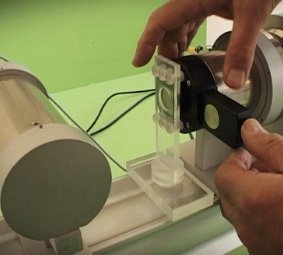

Glioma is an extremely lethal cancer, due largely to the inaccessible nature of the brain and diffusion of cells from the tumour site. These diffuse cells are usually too deeply embedded in the brain to safely remove by current means. Targeted Reactive Oxygen Species (ROS) generation is a promising form of glioma treatment to selectively eliminate glioma, including diffuse cells. However, the only current means of targeted ROS generation is photodynamic therapy (PDT) which generates ROS using expensive and potentially toxic photosensitisers (PS) which are ineffective against distant diffused cells and introduce many treatment limitations. GlioLighT proposes a novel alternative form of targeted ROS generation: Direct Light Therapy (DLT). DLT uses 1267nm light to generate 1O2 species in glioma cells without dependency on a PS. The removal of PS will revolutionise glioma treatment, enabling novel treatment modalities to vastly improve efficacy, earlier intervention options, all at reduced cost and complexity. However, whilst the principles of DLT have been demonstrated, little is known about how DLT achieves its anti-cancer effects, or the extent of its therapeutic benefits. Leveraging decades of accumulated PDT knowledge and technology development, GlioLighT will study DLT technology both independently and compared to PDT. The effect of DLT on glioma and the brain, focusing on immunogenicity, will be studied to determine DLT’s efficacy, safety, and mechanisms of action. Novel ultrashort pulse (USP) light sources will be developed to maximise optical penetration and minimise safety risk, ensuring DLT is suited for clinical adoption. Lastly, the development of the preclinical GlioLighT delivery and sensing system (pcGlio-DSS) ready for the next steps of clinical translation, will bring DLT a leap closer to vastly improving glioma treatment in Europe and worldwide.